

Guidance on Food Types and Diet to Help With Alcohol Withdrawals
The physician Robert C. Pearle was once quoted as saying, “The best and most efficient pharmacy is within your own system,” referring to the body’s healing power when powered by the correct diet.
According to the World Economic Forum, about half of all Americans would likely agree with this assertion, as 50% of adults are committing to a more health-conscious diet
Recent surges in clean eating to combat serious illnesses like cancer have people reconsidering not only what they eat, but why they eat.
We can’t think of a more important motivating factor than the preservation of your health—but what about killing your craving for alcohol? Are there foods that reduce alcohol cravings?
Ask anyone who has ever gone through withdrawal, and they’d almost certainly agree eliminating cravings is one of the most vital health preservation efforts.
Did you know that high-protein foods like chicken and beans, and clean, fiber-rich items like berries and pears can help you comfortably get through the withdrawal process and curb nagging cravings?
Purpose Healing Center invites you to join us and follow along as we explore different foods that decrease alcohol cravings, helping you understand why eating healthy promotes long-term recovery.
The Physical Dynamic of Alcoholism: Why Your Body Craves Alcohol
Several dynamics are at play when it comes to alcohol dependence and the cravings users experience.
Like most substances, the overload of neurotransmitters and the feel-good circuits of the body leads to addiction and plays a significant role in physical dependence—undoubtedly playing a huge role in the intensity of your cravings.
That said, alcohol adds an additional layer to the dynamic of addiction. Because you go through several additional physical processes, including digestion and hydrolysis, the craving mechanisms introduce a good bit of nutritional complexity to the situation.
Hunger Could Be Feeding Intense Alcohol Cravings

One of the primary connections between the brain and the body when it comes to alcohol is a substance called ghrelin. This receptor is one of the primary components in the body that controls hunger levels.
Essentially, the higher the ghrelin, the higher your appetite.
In recent studies, test subjects demonstrated that after viewing photos of food, ghrelin levels increased. Surprisingly, after showing individuals with alcohol addiction photos of their drink of choice, they experienced the same rise in ghrelin, in turn, increasing their appetite.
But instead of reaching for the food pantry, they reach for the bottle. The body has confused the hunger sensation for the urge to drink, leading them directly to the bottle to curb alcohol cravings.
Alcohol Depletes Essential Nutrients
Beyond the factors mentioned above, alcohol is infamous for depleting essential nutrients in the body. Some of the most commonly impacted levels include:
- B Vitamins
- Magnesium
- Zinc
Each of these items has a profound impact on brain health and mood stabilization. When these nutrients don’t exist at healthy levels in the body, curbing alcohol cravings becomes difficult.
You experience fatigue, irritability, anxiety, and blood sugar spikes, making the withdrawal process from alcohol that much more challenging.
How Does Clean Eating Help Curb Alcohol Cravings?

Ask any diabetic or dietician, and they’ll tell you the key to managing hunger and energy comes through maintaining healthy blood sugar levels. If the goal is to stabilize the blood sugar levels to decrease your urge to drink, the road to success isn’t as difficult to navigate as you might have imagined.
A regimented, vitamin-heavy diet makes recovery more manageable by avoiding certain foods that cause sudden glucose spikes, instead moving toward clean, all-natural food items that allow the body to release glucose slowly but steadily, giving you energy and helping you avoid sudden hunger pains.
The Keys to Curbing Alcohol Cravings
So, which vitamins and minerals help stabilize blood sugar levels and help battle withdrawal? Before we reveal the top foods, let’s cover the science behind the substances you need to battle those nasty cravings.
Protein-Rich Foods
Two natural items that produce the most energy for the body are glucose and protein. Most alcoholic beverages contain massive amounts of carbohydrates—especially beer. Carbs ultimately increase your glucose levels, but they also lead to a crash because they’re quickly metabolized. Curb alcohol cravings by eating protein-rich foods and eliminating useless carbs and glucose spikes.
Complex Carbs
Let’s backtrack a bit. Not all carbs are bad carbs. Ultimately, you want to avoid empty carbohydrates, instead replacing them with complex carbs. Foods like whole grain bread and brown rice are processed much slower than empty carbs.
This slowly releases glucose into the body, a much healthier alternative to the glucose spikes that cause cravings. Aside from a good way to curb alcohol cravings, complex carbohydrates are a great way to provide the body with a consistent source of energy, helping you maintain a balanced mood.
Healthy Fats
Most people look at fats like the kiss of death when it comes to any diet regimen. However, just like good carbs exist in the form of complex carbs, there are healthy fats like Omega-3s that provide a serious boost to your cognitive functioning.
Whenever you have a source that supports brain health and a balanced mood, it means you’re likely to avoid mood swings. If you’ve experienced alcohol addiction, mood swings, and depression are some of the biggest triggers that lead you to the bottle.
Hydrating Equals Detoxification
Part of the detox process includes maintaining adequate hydration levels, keeping the metabolism moving, and ensuring you don’t suffer the negative side effects of dehydration. Did you know that dehydration is regularly mistaken for hunger? Remember ghrelin, the hunger receptor? Staying hydrated can keep this receptor at bay, helping you stay committed to recovery.
Top 10 Foods to Help Reduce Alcohol Cravings

Now that you’re more aware of the science behind alcohol cravings, let’s get more specific about the most beneficial foods to add to your regimen.
1. Fermented Foods
Any fermented foods contain probiotics. Probiotics are imperative for maintaining gut health and helping repair the digestive tract after alcohol consumption. These foods reduce alcohol cravings by speeding up the metabolism. Top picks include:
- Organic yogurt
- Kombucha
- Sauerkraut
- Kimchi
2. Tryptophan-Heavy Foods
Here’s one that wasn’t mentioned anywhere above. Tryptophan is the stuff in turkey that makes you nap after Thanksgiving dinner. But did you know this vitamin also helps you naturally create dopamine, reducing your depression and lowering alcohol cravings? Some of the best sources include:
- Swordfish
- Beef liver
- Sardines
- Pumpkin seeds
3. Leafy Greens
Leafy greens dish out a massive amount of B vitamins and magnesium, two substances you lose after binge drinking. They also help you eliminate brain fog, reduce stress and anxiety, and promote cognitive function. Don’t shy away from items like:
- Kale
- Collard greens
- Swiss chard
- Spinach
4. Nuts and Seeds
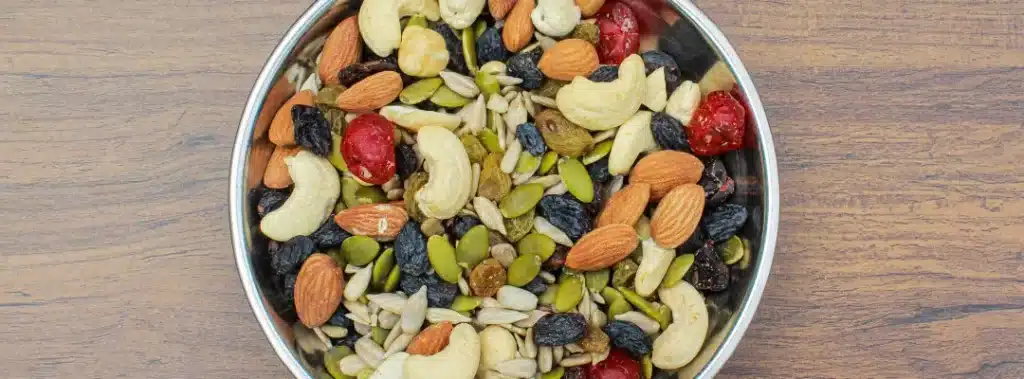
Nuts and seeds contain the important healthy fats we mentioned earlier through their Omega-3-heavy makeup. Different nuts and seeds deliver multi-faceted benefits, boosting cognitive function and maintaining energy levels. Snack on the following or use them as toppings:
- Almonds
- Chia seeds
- Walnuts
- Flax seeds
5. High-Fiber Fruits
High-fiber fruits rich in antioxidants are the ideal replacement for unhealthy, sugar-filled sweets. Alcohol cravings are accompanied by cravings for sweets like chocolate because of the havoc it plays on your blood sugar. Use high-fiber substitutes like:
- Apples
- Pears
- Berries
- Bananas
6. Starchy Roots
Starchy roots provide those complex carbohydrates that are critical for alcohol cravings, allowing you to stabilize blood sugar levels to avoid alcohol consumption. You’ll also find a significant amount of Vitamin A and potassium in many of these, replacing nutrients lost during bouts of heavy or binge drinking. Avoid alcohol cravings by eating:
- Beets
- Sweet potatoes
- Carrots
- Turnips
7. Lean Proteins
Lean proteins are critical for avoiding alcohol cravings. If you’re a vegetarian, there are plenty of protein-heavy sources that don’t include meat. Used as an energy replacement for glucose and empty carbs, you’ll reap additional health benefits along with reduced alcohol cravings.
- Cottage cheese
- Chicken
- Turkey
- Milk
8. Fatty Fish

Fatty, oily fish might sound unhealthy at first. However, they’re like gold when it comes to reducing alcohol cravings. A rich source of healthy fat, these types of fish will balance your mood and boost your concentration.
- Mackerel
- Herring
- Salmon
- Trout
9. Legumes
Legumes are a knockout combination of protein, fiber, and Vitamin B. These game-changers help you maintain energy and avoid sugar spikes. For a smoother recovery process, include the following in your diet:
- Lentils
- Chickpeas
- Black beans
- Soybeans
Legumes are a rich source of protein, fiber, and B vitamins, helping to sustain energy and reduce alcohol cravings. B vitamins are essential during recovery to maintain healthy brain function and metabolize energy. Both are critical for mental clarity and mood stability, promoting a smoother recovery process. The top legumes include lentils, chickpeas, and black beans.
10. Single-Seed Berries
Single-seed berries contain monosaturated fats that are key to reducing alcohol cravings because they drastically increase dopamine levels in the brain. Our favorite options include:
- Avocados
- Olives
- Coconuts
- Dates
A Trio of Additional Tips to Stop Alcohol Cravings

Use the following tips for added support when transitioning to a meal plan that promotes the reduction of alcohol cravings:
- Keep your routine consistent. Eating regular meals simultaneously each day will help you maintain steady energy levels, reducing the chances of experiencing alcohol cravings during the day. Never skip meals, as this leads to drops in blood sugar.
- Manage your stress and emotional triggers. Combine your diet with relaxation techniques and holistic practices like yoga and other therapy. Counseling is another option, and all of these are provided at Purpose Healing Center, along with a diet conducive to recovery.
- Seek the assistance of a professional if you require the support for the changes you want for your life. Aside from the professionals at Purpose Healing Center, consulting a nutritionist post-treatment is a great way to help determine if you’re missing out on specific supplements critical to long-term recovery.
Getting Healthy with Purpose Healing Center
At Purpose Healing Center, our counselors aren’t the only thing our clients rave about. Our meal plans are crafted by experienced chefs specializing in nutrition and healthy eating.
Purpose offers accredited alcohol rehab programs to provide stable and effective support for sobriety, from medical detox to inpatient rehab and outpatient programs.
If you (or a loved one) want additional support and a solid foundation for long-term lifestyle changes, contact a member of our team today.



 480-579-3319