
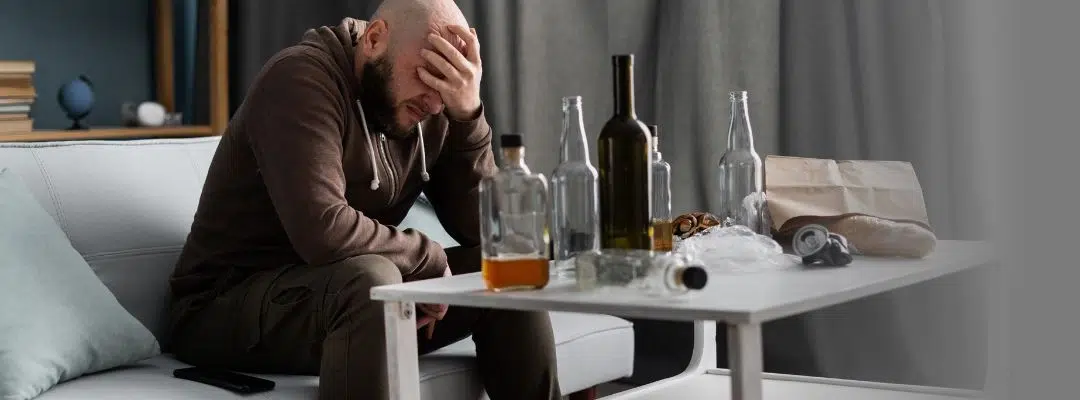
The Relationship Between Alcohol Abuse and Anxiety
The link between alcohol and panic attacks/anxiety has been studied for decades. There are clear indications that the neurotransmitters disrupted when drinking have a direct link to panic attacks and anxiety. This is why alcohol acts similarly to an anxiolytic, meaning it makes anxiety symptoms less noticeable. But can alcohol cause anxiety and panic attacks?
How often have you heard “liquid courage” or “do-it fluid”? These colloquial terms for alcoholic beverages hint at the fact that alcohol takes away anxiety symptoms. They lower inhibitions and make people less fearful, which can be a double-edged sword. It often gets people into dangerous situations or can give you the courage to ask out your crush.
Heavy drinking runs the risk of having alcohol withdrawal symptoms. Severe anxiety felt during withdrawal from alcohol is very common. Alcohol and anxiety are intrinsically linked. If you or a loved one is suffering negative consequences from alcohol dependence, Purpose Healing Center can help.
Their medical detox and inpatient programs offer treatment for alcohol dependence and co-occurring disorders. Give their intake department a call today to discuss your options.
Anxiety Symptoms After Alcohol Abuse
The pleasant side effects of alcohol almost always have a slingshot effect. In alcohol’s case, when it pushes anxiety symptoms down, the rebound anxiety symptoms can be immensely exaggerated during alcohol withdrawals. This can result in alcohol-induced panic attacks, which I have experienced more than once.
I have been diagnosed with generalized anxiety disorder and attempted to self-medicate with alcohol. Self-medication with alcohol is not sustainable, and I quickly found myself in over my head with a severe alcohol addiction. The cycle of heavy drinking and then severe withdrawal symptoms was torture, and I knew I had to stop drinking alcohol. The sense of impending doom pushed me to call for help. I reached out to Purpose Healing Center and was in their medical detox that evening.
Medication management is necessary when dealing with withdrawal from alcohol. It is one of the only substances where withdrawals can kill you. Professional treatment at Purpose Healing Center saved my life.
Links Between Drinking Alcohol, Anxiety, and a Nervous Breakdown
There are copious studies that focus on alcohol’s effects on the brain. My anxiety disorder and panic disorder both predated my alcohol abuse, but the alcohol misuse would raise my anxiety levels and even cause alcohol-induced panic attacks. These alcohol-related panic attacks are because alcohol stimulates GABA receptors in the brain.
According to a study on the National Institute of Health website, “alcohol enhances (i.e., potentiates) GABA’s inhibitory effects on signal-receiving neurons, thereby suppressing neuronal activity.” GABA plays a large role in anxiety symptoms, and alcohol disrupts GABA activity in the brain.
Intense episodes of anxiety symptoms, potentiated by alcohol consumption, can trigger panic attacks and cause a total nervous breakdown. Mental health conditions will only worsen if you don’t stop drinking alcohol, which is why it is so important to seek professional help.
Symptoms of Alcohol-Induced Panic Attacks

The withdrawal from heavy drinking can trigger anxiety, but sometimes intense anxiety can trigger panic attacks. When the central nervous system’s chemical messengers are overloaded due to the sudden absence of alcohol in the brain, physical symptoms begin to emerge. Trouble concentrating, a racing heart, heart palpitations, increased tension, difficulty breathing, intense fear, and chest pain from alcohol are all common symptoms of drinking-induced panic attacks.
The physical health problems that can arise from panic attacks typically are not life-threatening but can feel as though you are dying. In my case, my anxiety levels rise, anxious thoughts reverberate in my consciousness, and my heart feels as though it’s going to explode. The fight-or-flight response to panic attacks is an extremely uncomfortable process to endure.
Luckily, a professional treatment program can help you learn healthy and effective coping skills. At Purpose Healing Center, we can teach you relaxation techniques during your stay at our facility, which help the feelings of anxiety to dissipate. These coping strategies will often become a staple of your daily life in recovery.
The High Cost of Substance Abuse on Mental Health
Like alcohol, other substances can take a toll on your mental health. Alcohol and anxiety disorders are intrinsically linked because of the specific neurotransmitters affected. MDMA, another mind-altering substance, affects serotonin in the brain, which can lead to severe depression and a host of other issues.
According to a study by the National Institute of Health, MDMA use has been associated with anxiety and panic attacks. These studies reveal that individuals who use MDMA on a regular basis may experience a plethora of negative side effects. This can include poor sleep, decreased appetite, confusion, depression, anxiety, paranoia, and memory or attention issues.
This shows that alcohol consumption is not the only issue that can lead to panic attacks and other mental health issues. Although MDMA is being studied for its potential to help mood disorders like depression, heavy use, similar to heavy drinking, causes incredibly detrimental effects on mental health.
Substance Use Disorders and Alcohol Use Disorders
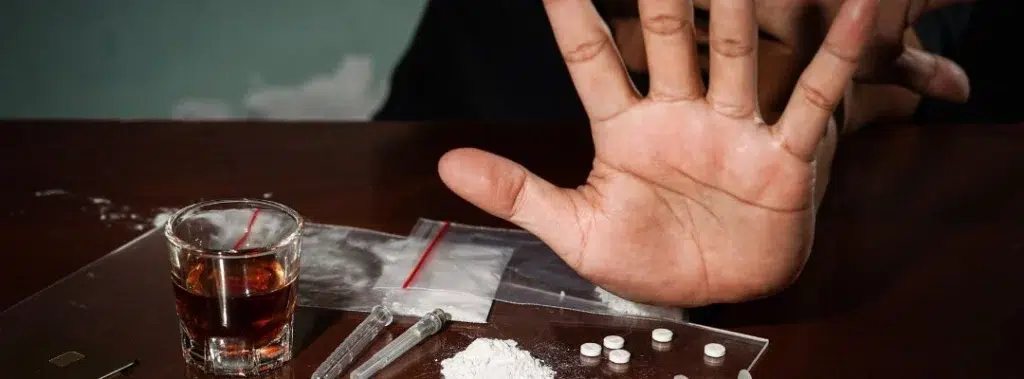
Substance use disorders can also cause panic attacks. Abusing methamphetamine or other stimulants can mimic the effects of panic attacks. Feeling anxious is a common side effect of stimulant use. A racing heart and heart palpitations are common occurrences when someone is abusing speed.
Substance use disorders where the drug of choice is barbiturates or benzodiazepines cause panic attacks upon sudden cessation. These drugs can help when used correctly under a doctor’s supervision, but their continued use almost always ends in a substance use disorder.
Like the two classes of medications mentioned above, alcohol consumption leads to feelings of anxiety when alcohol leaves the body. This becomes an issue once the person becomes alcohol dependent. Once a person begins to have withdrawal symptoms, outside help is typically needed.
This is where a medical detox program can be beneficial. Alcohol withdrawal can be dangerous and even life-threatening in extreme situations. This is why it is strongly recommended for those who are struggling with an alcohol use disorder to seek professional help immediately.
Treatment Options for Anxiety Disorder and Panic Disorder
There are many options for treating anxiety disorder, including therapies like CBT and DBT, medication, group sessions, and meditation. I have tried every one of these options and have found that a hybrid approach, combining bits of every option, has worked best for me.
Taking my medication, attending group therapy, and practicing meditation daily have helped me to overcome my substance use disorder, alcohol abuse disorder, and anxiety disorder. I have also not had any panic attacks since quitting drinking alcohol. Attending an inpatient program like the one offered at Purpose Healing Center can help improve every aspect of your life.
Cross Addiction when Quitting Drinking Alcohol

Cross-addiction can happen when someone begins to compulsively use another substance or behavior instead of their original issue. When I quit drinking alcohol, I began abusing prescription medication. The medication had a very similar effect to alcohol consumption. Seeking treatment immediately can make sure you get a grip on your substance use and mental health, without slipping into additional negative habits.
The mental health conditions I found myself in were atrocious. My anxiety from the substance use was through the roof. I was depressed and needed to detox from the medication. The program welcomed me with open arms, and I began the journey of healing my mental health once again.
Other forms of cross-addiction happen to people when quitting their drug of choice, such as compulsive gambling or sex. These behavioral cross-addictions can be just as devastating as substance use. Seeing people lose their life savings gambling or lose their spouse cheating because they can’t control their sexual urges has made me cautious not to begin taking part in potentially addictive behaviors.
Taking care of my mental health is an important aspect of my success in defeating alcohol use disorder. Self-care is extremely effective, and to keep my anxiety in check, I frequently meditate. Doing these simple things keeps me on the path to recovery, and as long as I keep a tab on my behaviors, I can avoid cross-addiction entirely.
Alcohol and Anxiety, Seek Treatment Today
If you or a loved one cannot control their alcohol intake and are feeling anxious, medical professionals are willing to help. The compassionate intake specialists at Purpose Healing Center can discuss your treatment options and help you understand what levels of care will best fit your needs.
Our admissions team is happy to take your confidential call at any time. We will answer all your treatment questions and ease any concerns you may have about the recovery process. Reach out to us today to learn more about how you can get started on the path to sobriety at our treatment center.





 480-579-3319