
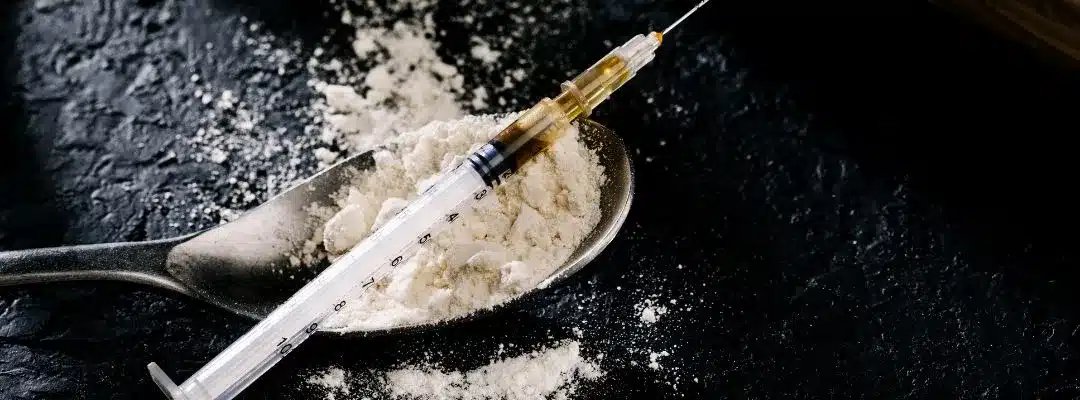
A Guide to the Half-Life and Duration of Heroin in the Body
Most of us already know that heroin is a highly addictive opiate drug. Derived from the opium poppy, heroin affects the brain and body in serious ways. The desired effects of heroin onset quickly, but the effects of the drug wear off within around a few hours. Sometimes, this cycle is part of how ongoing use of the drug starts.
The length of the high you experience from heroin is not the same length of time that heroin will show up in a drug test. Heroin may show up in a standard drug test for longer than the amount of time you feel the effects of the drug.
This often leads people to ask, “How long does heroin stay in your system?”
It is possible to overcome heroin dependence so that you no longer have to worry about drug testing or the consequences of a positive test.
Purpose Healing Center treats heroin addiction and other substance use disorders. So, what should you know?
Let’s review how long heroin stays in your system and the factors that can impact the detection window for the drug first. Then, we’ll talk about the effects of heroin and how addiction treatment can help.
Purpose Healing Center accepts most forms of insurance. Please call our admissions line today to verify your insurance coverage for treatment.
Get Answers on the Duration of Heroin in the Body
The type of drug test used to detect heroin will impact whether or not it’ll show up after a certain length of time. For example, blood drug tests are known to show substances for a shorter time period than other types of drug tests.
Here are estimates for how long heroin will remain detectable in your system based on drug test type.
- Blood: Heroin can be detected in a blood test for up to about six hours.
- Urine: Heroin can be detected in a urine drug test for around 48 hours. The general timeframe for Opioid drugs is 1-3 days.
- Hair: Generally, drugs can be detected in a hair test for up to about 90 days.
The plasma half-life for heroin is around 0.01-0.25 hours. Other drug tests, like sweat tests, are rare but can also be used.
Note how long drugs stay in your system, including both Opioid drugs like Hydrocodone or Oxycodone, synthetic opioids like fentanyl, and non-opioid drugs (e.g., alcohol or methamphetamines), will have their own unique detection windows.
Factors Affecting Detection Time for Heroin and Other Drugs
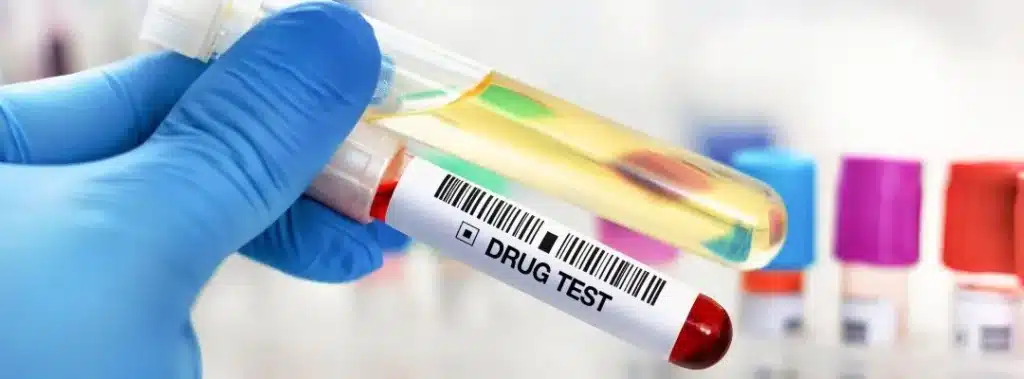
While different drugs have unique detection windows, the factors that may influence those detection windows are largely the same.
In other words, how long heroin or any other drug stays detectable in your system via drug test may vary based on factors such as the following.
- Frequency of drug use. For example, long-term heroin abuse or using heroin daily often means that it will stay detectable in your system for longer than it would if you’d only used heroin once.
- Body size and weight.
- Metabolism.
- Age.
In 2021, an estimated 9,173 people died from Heroin overdose. Getting help for heroin addiction means that you will not have to avoid drug tests or face other risks of heroin use anymore.
Understanding Heroin and Its Effects
When heroin enters the body, it converts to morphine and binds to opioid receptors rapidly. The immediate effects of heroin intoxication often include a “rush,” which may feel euphoric, a heavy feeling in the extremities, and a warm flushing feeling.
Fatigue can be common from methadone and heroin, as can the phenomenon known as ‘nodding off,’ pinpoint pupils, personality and mood changes, and other signs of heroin use are often what alerts loved ones to the fact that someone they know is using heroin.
Opioid Overdose and Other Risks of Heroin Use
Heroin use is known to cause rapid physical dependence. Other risks of heroin use include but aren’t limited to the following.
- Heroin overdose. Heroin can cause an overdose on its own. The risk of heroin overdose increases when heroin is paired with other drugs. For example, other depressants (like alcohol) can intensify the effects of heroin and heighten the likelihood of overdosing.
- Death. Heroin overdose can lead to coma or death. If you notice signs of overdose, like shallow breathing or lack of responsiveness, it is vital that you seek medical help immediately.
- Accidents and injuries. Due to the consequences opioid intoxication has on judgment, some people use heroin and other opioid drugs in dangerous situations, which can increase the risk of addiction or injury.
- Polydrug use. When a person uses multiple drugs, it is called polydrug use or polysubstance use. Mixing opioids with other drugs is extremely dangerous. Some research shows that heroin use can lead to the use of other substances.
- Deterioration of the brain’s white matter, which can affect decision-making and behavior.
- Legal and financial problems. Heroin possession is illegal, and people using heroin regularly often spend a great deal of money on the drug.
- Infections (including exposure to HIV) and blood poisoning.
- Collapsed veins.
- Organ damage.
Heroin abuse and addiction start in many different ways. According to the National Institute on Drug Abuse (NIDA), heroin addiction can sometimes start with the use of other drugs, like prescription opioids.
Someone may switch to heroin after other opioids due to factors like cost. No matter how drug dependence begins, addiction treatment can help.
Using Medical Detox Services to Overcome Withdrawals

Heroin withdrawal occurs when the body is no longer receiving the drug, leading to a range of uncomfortable physical and emotional symptoms. Again, heroin effects tend to onset and leave quickly.
Many people experiencing heroin addiction will start to experience withdrawal symptoms relatively quickly after their last use (within about 24-48 hours).
Potential heroin withdrawal symptoms include but aren’t limited to nausea, vomiting, or diarrhea. Feelings of anxiety and depression are also common. Heroin detox can be challenging.
However, the acute withdrawal process is short-lasting; getting through it is a necessary first step in recovery.
Professional treatment at Purpose Healing Center with our Joint Commission can help you get through withdrawal symptoms and reduce the risk of relapse, which can be high at this time.
Medications, such as methadone and buprenorphine, may be used to manage withdrawal symptoms or drug cravings.
Inpatient and Outpatient Heroin Addiction Treatment in Arizona
The majority of people stay in detox for around 1-2 weeks or less. After that, continued treatment is highly recommended. The right treatment and support can help set those facing addiction up for a successful recovery in the long term.
In addition to medical detox, we offer the following levels of care for people facing substance use disorders and other mental health conditions.
- Inpatient treatment: Our inpatient treatment program requires 24/7 support and supervision from staff. Clients follow a full daily schedule of therapies and other treatments. For example, daily group therapy sessions, individual therapy sessions, recreation activities, life skills, and medication management.
- Partial hospitalization program (PHP): Also called partial day treatment, PHP is a step between inpatient care and an intensive outpatient program. PHP clients at Purpose Healing Center attend treatment daily for therapy and other treatments but return home or to sober living at night.
- Intensive outpatient program (IOP): An intensive outpatient program requires fewer treatment hours per week than PHP and meets less often throughout the week. Due to the reduced time commitment, IOP can be ideal for those who are ready to work or return to school while in treatment.
During the intake process, Purpose Healing Center provides confidential evaluations that help our team better understand your treatment needs. At that time, we can suggest an ideal starting level of care.
Proven Therapies and Our Approach to Treatment

At Purpose Healing Center, we use a combination of evidence-based and holistic treatments for people facing addiction. These include but aren’t limited to the following.
- Cognitive behavioral therapy (CBT).
- Dialectical behavioral therapy (DBT).
- Motivational interviewing (MI).
- Cognitive processing therapy (CPT).
- Medication-assisted treatment (MAT).
- Meditation and mindfulness.
- Body movement.
- Family therapy.
If you or your family member who is in need of treatment has underlying trauma or a dual-diagnosis disorder, we can help. Our comprehensive treatment plans address the physical, emotional, and social elements of addiction.
Call Purpose Healing Center for Help With Heroin Today
Heroin abuse or addiction is serious, and it can be life-threatening. Addiction treatment in the form of heroin rehab programs restores (and saves) lives.
Contact Purpose Healing Center today to verify your insurance coverage for treatment, inquire about getting treatment for a loved one, or get answers to any questions you might have.
To get in touch with Purpose Healing Center, call our admissions line today. With a location in Phoenix and a Scottsdale location as well, we’re here to help you or your loved one overcome addiction and achieve lasting recovery.
All calls are confidential, so please reach out today.
References
- https://medlineplus.gov/lab-tests/opioid-testing/
- https://www.ncbi.nlm.nih.gov/books/NBK64092/
- https://www.aruplab.com/files/resources/pain-management/DrugAnalytesPlasmaUrine.pdf
- https://nida.nih.gov/research-topics/heroin
- https://nida.nih.gov/publications/research-reports/heroin/how-heroin-linked-to-prescription-drug-misuse
- https://nida.nih.gov/publications/research-reports/heroin/what-are-long-term-effects-heroin-use
- https://nida.nih.gov/publications/research-reports/heroin/what-are-medical-complications-chronic-heroin-use





 480-579-3319