

Looking at Drinking Alcohol as a Factor for Balding
Are you noticing dry, thinning hair or bald spots forming on your head while binge drinking? If so, alcohol may be contributing to your hair loss.
When you’re dealing with substance abuse, it’s common to ignore the long-term risks that abusing drugs poses to your health. You’re more likely to be worried about cardiac events from stimulants or respiratory failure from opioids that are an immediate risk to your health.
However, there are plenty of long-term effects that you should keep in mind. One of these lasting effects is hair loss, which can result in excessive hair falling out after brushing or missing patches of hair when you look in the mirror.
But in such cases: does alcohol cause hair loss? While alcohol and hair loss do not share a directly causal relationship, related effects from alcohol abuse can cause premature balding, along with a host of other health consequences.
At Purpose Healing Center, we offer comprehensive drug and alcohol addiction treatment that includes medical detox, inpatient, and outpatient programs tailored to your needs. We help you cope with withdrawals, overcome your dependence, and learn how to be the best version of yourself so you can live drug-free in recovery.
Keep reading to learn how alcohol contributes to hair loss and how you can slow it down with effective rehab and support to achieve sobriety!
What Causes Balding?
Balding is incredibly common, with about half of all men in their 40s experiencing some balding. However, outside of chemotherapy or drastic hairstyle choices, most people attribute balding to genetics and age–but they’re not the only reasons.
Hair growth occurs in a three-phase cycle. The steps include anagen, catagen, and telogen, or growth, transitional, and resting stages. Balding occurs when the growth phase is shortened, or the shedding phase is extended, leading to slow hair growth or excess hair falling out.
In natural hair loss, genetic factors like your natural production or sensitivity to dihydrotestosterone (DHT), a primary sex hormone involved in hair growth, are the reason for most baldness. If you have too much or your hair follicles are sensitive to DHT, they begin to shrink and shorten the growth phase, leading to short, thin, and fragile hair that falls out more easily.
How Does Alcohol Cause Hair Loss?
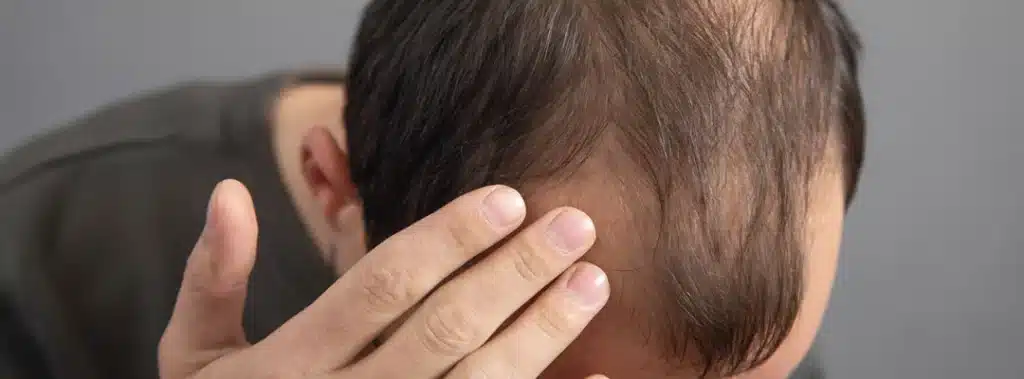
Genetic factors most often cause hair thinning and loss, but secondary effects can also lead to losing hair. While there’s no evidence showing that excessive drinking or even binge drinking directly leads to your hair growing slower or falling out sooner, the side effects of excessive alcohol consumption can play a factor in unhealthy hair.
Here’s how.
A Lack of Nutrition from Drinking to Excess
Vitamins and minerals are essential for healthy hair because they give your body the fuel and supplies it needs to maintain the growth cycle. In addition to your general health, these nutrients contribute to healthy hair:
- Vitamin A
- Vitamin B
- Vitamin C
- Vitamin D
- Vitamin E
- Zinc
- Iron
- Protein
- Selenium
- Omega-3 fatty acids
When you consume too much alcohol, you’re replacing nutritious foods and drinks with empty calories, high levels of carbs, and drinks with little nutritional value. As a result, it’s easy to skip meals and end up not getting what you need to avoid balding.
Dehydration from Alcohol
Water is essential for all bodily functions, including hair growth. As a diuretic, alcohol works to remove water from your body. If you don’t have enough water available, the hair that you produce becomes brittle, your scalp and hair follicles dry out, and your body can’t use the existing nutrients you have.
Healthy hair growth relies on the body’s ability to have the hydration (and nutrients) it needs.
Hormonal Imbalances

Your hormones play a significant role in hair health and growth, which is why alcohol’s impact on hormones is a cause of balding in both men and women.
Alcohol impacts:
- Cortisol: Alcohol increases cortisol, the primary stress hormone, which disrupts the hair’s growth cycle by shortening the anagen phase.
- Thyroid Hormones: Long-term alcohol abuse leads to imbalances in your thyroid levels, which has been shown to cause hair loss by creating dry, brittle hair.
- Testosterone and Estrogen: The male and female sex hormones play a major role in hair loss, which explains why men experience it far more often than women. Alcohol increases estrogen levels, which lowers the testosterone that’s responsible for hair growth and leads to male-pattern baldness. Excess estrogen can have a similar effect on women as well, but it’s much less common.
- Insulin: Alcohol abuse is linked to insulin resistance, which weakens nutrient delivery and makes it harder for your hair follicles to get what they need to create healthy hair.
In most cases, these impacts occur over extended periods of alcohol abuse. Fortunately, with professional help, you can resolve these imbalances safely to improve your hair health.
What Behavioral Changes from Alcohol Abuse Impact Hair Loss?
Alcohol abuse (or even regular alcohol intake) doesn’t just affect you physically–it also impacts your behavior, which can contribute to hair loss. Just as with the correlation between meth and hair loss, losing hair due to drinking often happens due to the surrounding circumstances.
Drinking Can Cause Risky and Negligent Behavior
Abusing alcohol can seriously affect your priorities, personality, and everyday life. It’s common for people with serious addictions to begin living recklessly or become negligent towards even their own health.
In the depths of a drinking binge, you may forget to eat, leading to nutritional deficiencies. You may also avoid bathing and damage your hair due to improper upkeep.
Alternatively, you may choose to abuse more drugs alongside alcohol because of the temporary euphoria that drinking can create.
For instance, combining alcohol with shrooms has the potential for serious psychological side effects like hallucinations or impairment that put you at risk of accidentally ripping hair out due to falls or psychosis.
Mixing weed with alcohol (also known as getting crossfaded) also puts you at risk of poor decision-making and hair loss due to vasoconstriction caused by smoking.
Increased Stress from a Hard Partying Lifestyle
As we highlighted earlier, the cortisol produced from alcohol use can interrupt the hair growth cycle. In addition to shortening the growth phase, known as Telogen effluvium, stress also has the potential to cause the irresistible urge to pull your own hair out, called Trichotillomania, or lead to Alopecia areata, which is when your immune system attacks your hair follicles.
How To Stop Hair Loss and Encourage Growth
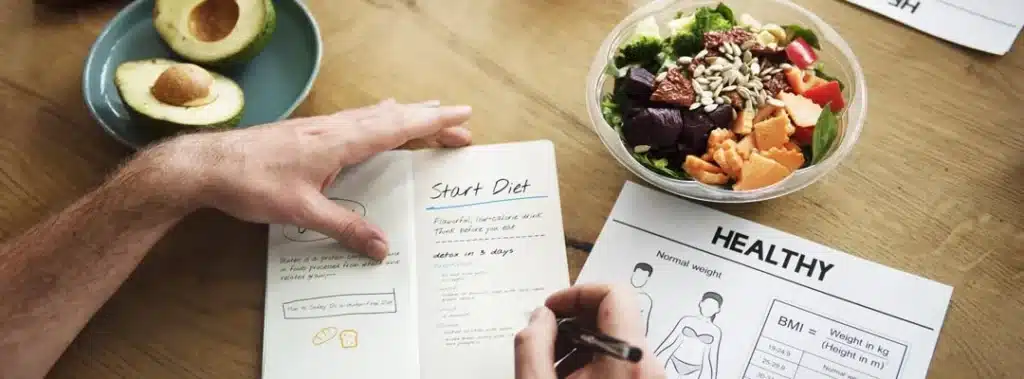
If you’re suffering from an alcohol use disorder, hair loss is one of the last problems you need to worry about. However, there are some steps you can take to minimize your hair loss or even reverse it altogether as part of your recovery.
The first step is to find a high-quality alcohol rehab facility like our programs at Purpose Healing that can help you overcome your addiction. If you continue to abuse alcohol, you’ll have a hard time maintaining your hair, even with additional precautions and supplements.
After committing to getting help, maintain a healthy diet that’s full of vitamins and minerals and take supplements like Biotin to ensure you’re getting everything you need for strong hair.
Next, lower your stress with medication-assisted treatment, yoga, or other relaxation techniques to reduce the effects of cortisol. Finally, find a haircare routine that’s formulated to help you keep your hair healthy and on your head.
Minimize Hair Loss and Get Sober at Purpose Healing Center
Alcohol dependence or addiction comes with an assortment of uncomfortable, inconvenient, and upsetting side effects that can lower your quality of life even further. One of the most obvious and visible effects of excessive alcohol consumption is balding, which acts as a reminder of the dangers of substance abuse.
Fortunately, with the right treatment, you can overcome your addiction and begin repairing hair thinning and other symptoms.
At Purpose Healing Center, we take a holistic approach to your treatment. Whether you need help with drugs, alcohol, or dual-diagnosis care, our qualified team will build a custom-tailored treatment plan that positions you for success. Through a combination of medical detox and inpatient or outpatient services, you’ll learn the coping skills you need to stay sober while you watch your hair grow back in.
Give us a call to learn more today. All calls are confidential, so please reach out for support now!
References:
- https://www.healthdirect.gov.au/male-pattern-baldness#:~:text=It%20affects%20about%201%20in,2%20men%20in%20their%2040s.
- https://www.ncbi.nlm.nih.gov/books/NBK557634/
- https://www.ncbi.nlm.nih.gov/pmc/articles/PMC6380979/
- https://www.ncbi.nlm.nih.gov/pmc/articles/PMC10492440/#:~:text=Conditions%20such%20as%20hyperthyroidism%2C%20hypothyroidism,hypothyroidism%2C%20hair%20loss%20is%20observed.
- https://www.ncbi.nlm.nih.gov/pmc/articles/PMC3740748/
- https://www.ncbi.nlm.nih.gov/pmc/articles/PMC9069908/




 480-579-3319