
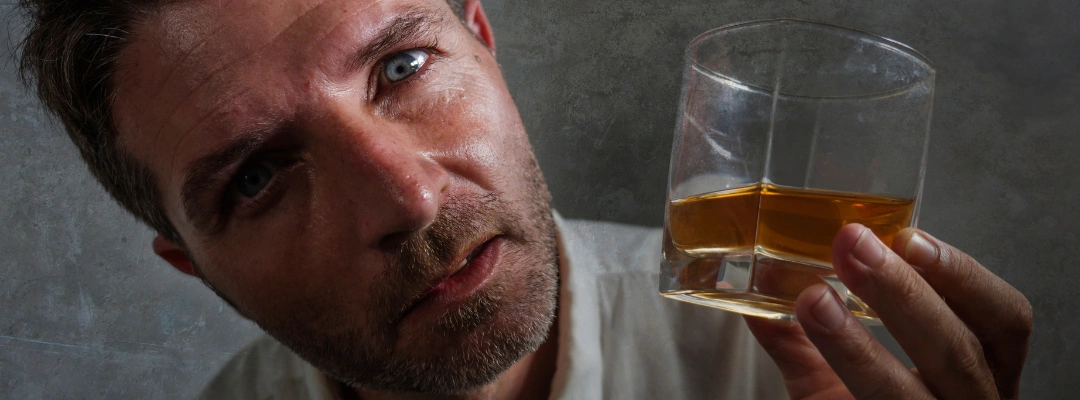
The Long-Term Effects of Drinking Alcohol on Vision Loss
You probably know the feeling of waking up after a night of drinking with red eyes, blurry vision, or even migraine headaches from squinting so much. These changes might not seem like a big deal, especially if they fade.
Though If you have been drinking a lot, or for a long time, then you may notice it’s taking longer than usual for your symptoms to fade. Many people are surprised by this. Unfortunately, it can be a sign that your drinking habits are damaging your vision.
But, can alcohol cause blindness?
Over time, frequent and excessive alcohol use can cause partial or total blindness. It affects the optic nerve, your cornea, and even the way that your brain and eyes communicate.
Keep reading our resource from Purpose Healing as we take a look at how alcohol really affects your vision, if it’s permanent, and when to get help.
The Connections Between Excessive Drinking and Vision Issues

There are tons of health issues associated with drinking, but did you know it can also cause eye problems like blind spots, loss of color perception, or even visual loss? Temporary issues are more well-known.
For example, sensitivity to light, difficulty focusing, or blurred vision after a night of binge drinking. These symptoms often fade within a day, and then they’re out of your mind.
If you’re drinking frequently, though, there’s an increased risk of severe problems. Your eyes are delicate. They need a steady supply of oxygen and nutrients to stay healthy, and with excessive drinking, you just aren’t giving your eyes the things they need to be healthy. More drinking means a greater risk of developing serious vision problems.
Is There a Link Between Alcohol and Optic Neuropathy?
Optic neuropathy is one of the more serious conditions caused by heavy drinking. It’s caused by damage to your optic nerve, or the part of the eyes that sends messages between your eyes and brain. Optic nerve damage can lead to scary symptoms. It starts with blind spots and troubles with color perception, and eventually leads to legal blindness if the underlying condition isn’t treated.
Often, alcohol-related optic neuropathy is made worse by nutritional deficiencies. Chronic drinking makes it hard for your body to absorb important nutrients (like B vitamins) that support eye health.
How Does Alcohol Affect the Brain-Eye Connection?
Your vision isn’t only determined by eye health, because a person’s eyes aren’t the only things they need to see. You see things first with your eyes, then signals have to be sent to the brain.
Your brain then has to relay back what you are seeing. As a depressant, alcohol slows your central nervous system so messages between your brain and eyes aren’t being sent as quickly.
This results in problems focusing your vision, poor depth perception, or even double vision after you’ve drunk too much.
What are the Effects of Alcohol on Your Cornea?
On the outside of your eyeball, there’s a clear, outer layer that focuses light. It’s called the cornea. When you engage in heavy drinking, the cornea gets dry.
You might experience redness, irritation, and blurred vision. Heavy drinking also stops your cornea from healing as well as it should. Something as simple as a scratch can take much longer to heal.
Can Heavy Alcohol Abuse Cause Loss of Vision?
Fortunately, occasional drinking, or even high-intensity drinking probably won’t cause blindness from alcohol. If you are drinking frequently, several days a week, the risk of vision loss is much higher. Chronic alcohol abuse damages your optic nerve and reduces blood flow to your eyes.
Without breaks between drinking, where your eyes can recover, vision problems continually get worse until there’s a risk of losing your vision entirely.
The real risk comes from the sneaky, gradual way that alcohol impairs your vision. You might brush it off as your eyes getting worse with age. Don’t put off talking to your doctor and getting help. For many eye conditions, early intervention gives you the best chance of healing.
The Temporary vs Long-Term Effects of Alcohol on Vision

Even if you don’t drink frequently, there’s a risk of poor night vision, dry eyes from alcohol, and sensitivity to light after a night of drinking. You may even have lingering delayed reactions or double vision, especially if you drank a lot. Symptoms like these, or even involuntary eye movements caused by your eye muscles being strained, start to fade as alcohol leaves your system.
Not all eye symptoms fade with time, though. Chronic drinkers have a greater risk of alcohol-related conditions like cataracts, macular degeneration, or optic neuropathy. Even once you quit drinking alcohol, if it’s progressed to this severe stage, you may need medical treatment.
When Will Blurred or Double Vision from Heavy Drinking Go Away?
Even moderate alcohol consumption can affect your vision, but the good news is that these changes aren’t permanent. You’ll feel better after a few hours, up to a day after drinking. But this isn’t the case for everyone.
Frequent, heavy alcohol consumption can cause blurred vision that doesn’t fade with time. Schedule an eye exam if blurry vision lasts more than a day or two. Intervening sooner reduces the risk of total vision loss.
What is Considered Excessive Alcohol Consumption?
Your tolerance for alcohol is as unique to you as your drinking patterns. There’s no specific benchmark for how much alcohol is “too much”. However, by definition, more than 7 drinks weekly for women and more than 14 drinks for men is considered excessive alcohol consumption.
Even less than this can be considered, depending on whether it’s affecting your health, relationships, work performance, or daily life.
Will My Vision Improve if I Quit Drinking?

The good news is that when you fight back against alcohol use disorder and stop drinking, your body does start to heal. This includes your eyes. Temporary vision changes like blurriness, light sensitivity, or poor focus usually improve within days or weeks after quitting alcohol.
Even if you have long-term damage or age-related macular degeneration, it’s important to stop drinking. Continuing will only make your symptoms worse. And, if you do quit, partial healing can happen. Quitting alcohol also stops things like eye irritation and dryness that make eye conditions more uncomfortable.
Nutrition, Hydration, and Vitamins for Vision Support
You can also give yourself the best chance at healing by giving your body the nutrients it needs to repair itself. Deficiencies of vitamins like B12, folate, and thiamine are all linked to alcohol-related vision problems, so this is a good place to start. Eating Omega-3 fatty acids also supports your eye health.
By staying hydrated, you stop dry, red eyes and irritation from bothering you. Talk to your doctor or an ophthalmologist about supplementation, diet, and hydration to make a positive difference in restoring your vision and overall health.
Find Help Overcoming Alcohol Abuse at Purpose Healing Center
The damage that alcohol causes doesn’t stop with your eyesight. It can spill over into every part of your life. But, that doesn’t mean that you have to accept it as reality. You can change, and even if eye damage can’t be reversed completely, most people still have noticeable improvements within the first few weeks or months of sobriety.
Healing your vision starts with overcoming addiction, and we’re ready to help you do that at Purpose Healing Center. We accept AHCCCS and most insurances, making the road to healing much more accessible.
Call us confidentially to learn more about our accredited approach to healing today.
References
- https://translational-medicine.biomedcentral.com/articles/10.1186/s12967-024-05334-0
- https://my.clevelandclinic.org/health/body/22261-optic-nerve




 480-579-3319