

What Is The Difference Between Being Drunk And Alcohol Poisoning?
There’s much confusion about alcohol poisoning vs drunk behavior. But understanding the different signs can help avoid a medical emergency. Both come from drinking too much alcohol. But you can usually recover from intoxication – being drunk – without seeking medical help; it usually resolves itself with rest and rehydration.
On the other hand, alcohol poisoning can be life-threatening and requires immediate medical attention, especially with loss of consciousness.
Purpose Healing Center offers Joint Commission-accredited drug and alcohol treatment programs with locations in Phoenix and Scottsdale. If you or someone you love struggles with excessive alcohol consumption, we can help.
We treat each client to the psychological and behavioral support needed to recover from alcohol use disorder after the emergency has passed. We provide a full continuum of care, meeting the individual needs of each person who entrusts us with their care.
We encourage you to continue to read if you suspect that you or a loved one is showing signs of dangerous alcohol abuse. You’ll learn the key differences between alcohol poisoning vs. drunk, signs and symptoms, and first aid tips in case the worst happens.
Alcohol Poisoning Vs. Drunk: Know the Differences

With intoxication, alcohol temporarily slows down the brain and the body. When someone drinks alcohol excessively, the blood carries the alcohol throughout the body and to the brain, where it remains for a short period. The suppressed central nervous system is why you see stumbling, clumsiness, poor judgment, and slurred speech.
It’s risky when someone drinks until they can’t coordinate movement, but most people sober up at home after a short period of rest. They may feel poorly, experience dizziness, or have a headache. Just make sure they don’t drive.
Conversely, alcohol poisoning goes beyond being drunk. Alcohol poisoning typically occurs when the drinking has been so excessive that the body and brain become overwhelmed by the alcohol, impacting breathing, heart rate, and body temperature.
Too Much Alcohol: When Drinking Becomes Dangerous
Alcohol Poisoning Vs Drunk? There’s a line between being buzzed and experiencing alcohol poisoning symptoms. This depends on how much alcohol a person drinks in a short time. Other factors weigh in, including their weight, alcohol tolerance, individual health factors, and whether they drank on an empty stomach.
When too much alcohol enters the liver at once, it can interfere with the organ’s ability to process it, sending toxic levels into the bloodstream and delivering the toxins throughout the body.
Binge Drinking and Alcohol Overdose

The National Institute on Alcohol Abuse and Alcoholism (NIAAA) warns that 61.4 million Americans, or about 21.7% of the population over age 12, have reported binge drinking during the past month. They define binge drinking as consumption bringing blood alcohol concentration (BAC) to .08 grams of alcohol per deciliter or higher. That equals drinking 4 drinks in 2 hours (or one drink every 30 minutes) for women and 5 drinks for men.
Binge drinking is similar to a drug overdose. It increases the likelihood of severe dehydration, permanent brain damage, or death. NIAAA notes other dangers, including an increased risk of sexual assault while passed out. Binge drinking is a common cause of alcohol poisoning, and it needs urgent medical attention. Call 911 or take them to the nearest emergency room.
Alcohol Poisoning Symptoms
What are the signs of alcohol poisoning? While some appear similar to drunk behaviors or symptoms, they often surpass them in intensity.
For example, someone drunk may vomit once while feeling dizzy; someone with alcohol poisoning can vomit multiple times, even vomiting blood. They may require assistance to prevent choking on their own sick.
Physical Symptoms of Alcohol Poisoning

Here are the key physical signs of alcohol poisoning:
- Irregular breathing or trouble breathing
- Slowed breathing to fewer than eight breaths per minute
- Can’t keep the person awake
- Low body temperature
- Blue-tinged skin
- Slurred speech
- Low heart rate
- Vomiting, especially repeatedly
- Gurgling or choking noises
- Seizures
- Loss of consciousness or passing out
Some people make the mistake of thinking that their friend or loved one is “sleeping it off,” which can lead to a tragic outcome – coma, brain damage, or death. If you are unsure if someone has been drinking alcohol excessively, using other drugs, or has alcohol poisoning, err on the side of caution. Call for medical help and leave the diagnosis to the professionals.
Emotional/Mental Signs Someone Has Alcohol Poisoning
The physical signs of alcohol poisoning are the most dangerous. Still, the emotional and mental health aspects can also alert you to danger. Watch for:
- Confusion
- Agitation
- Irrational behavior
- Rapid mood swings
- Taking severe, unreasonable risks
These are early indicators that can give you a chance to intervene with the person before the poisoning progresses and affects the central nervous system.
Alcohol Poisoning Is a Medical Emergency
Alcohol poisoning doesn’t go away with sleep, drinking water, or cold showers. Once the bloodstream has delivered the toxins throughout the body, the person has reached a severe level of toxicity. The person is at greater risk for brain damage, seizures, or death.
Emergency care usually involves providing oxygen, IV fluids, and interventions to stabilize the heart and lungs.
First Aid for Suspected Alcohol Poisoning

Take the following first aid steps if someone has alcohol poisoning:
- Call 911; first responders are the best equipped to offer life-saving support and get them to the nearest emergency room faster.
- Place the person on their left side and turn their head slightly down to prevent choking on vomit if they have a seizure.
- Keep the person warm with a light blanket or cover them with a jacket.
- Speak and try to keep them awake while waiting.
- If they stop breathing, administer rescue breathing or CPR until first responders get there.
- Stay with the person. If you know what happened, lead the EMTs through the situation so they know what treatment to administer first.
How to Prevent Alcohol Poisoning
The best prevention of alcohol poisoning is responsible drinking or avoiding alcohol altogether. If you do drink alcohol, take these preventive measures to avoid a dangerous or life-threatening situation:
- Pace yourself, sipping slowly
- Eat a light meal before drinking
- Sip water in between drinks
- Set a limit for yourself
- Avoid drinking games that encourage rapid consumption
- Don’t mix alcohol with other drugs
We urge individuals in recovery to brush up on coping tools and avoid social situations that risk their sobriety.
Long-term Risks of Alcohol Poisoning with Repeat Episodes
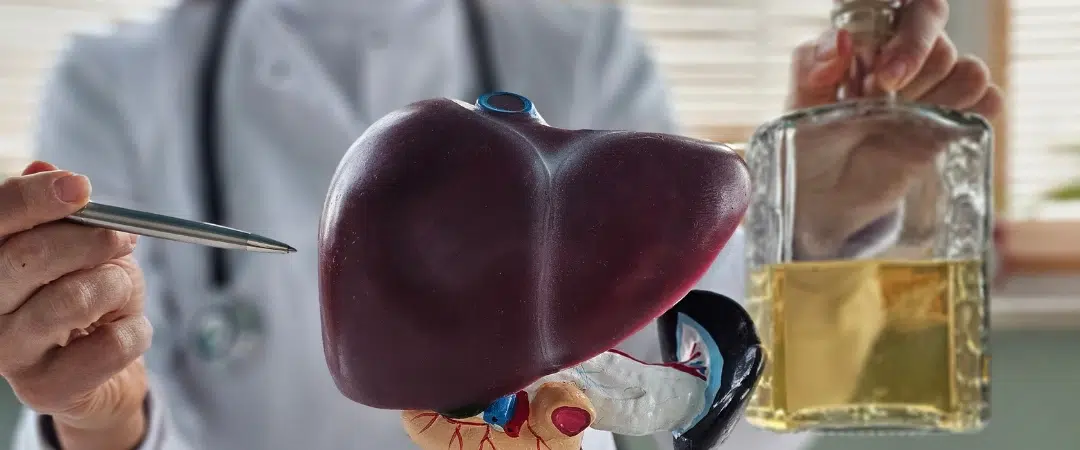
Repeated episodes of alcohol poisoning can affect your health. Frequent intoxication, especially to the point of poisoning, leads to repeated damage to the liver, brain, eyes, and other organs.
Chronic health problems can develop, including Type 2 diabetes. Repeat intoxication can also lead to mental wellness issues, such as guilt, shame, or trauma.
Call Purpose for Help with Alcohol Abuse Today
Alcohol poisoning is a medical emergency. It also happens to be one of the key indicators of Alcohol Use Disorder. If you or a loved one has experienced extreme intoxication to the point of poisoning, the top priority is bringing low body temperature back to normal and stabilizing the heart rate and breathing.
After the immediate crisis passes, we encourage you to call Purpose Healing for an emergency admission. We work with AHCCCS and most major insurance companies in-network and will even coordinate your benefits to ensure the lowest possible co-pays before you arrive.
Our treatment programs can lead you from alcohol dependence back to sobriety. We treat your needs holistically, integrating services to address both your mental and physical recovery.
Connecting with our admissions representative is always free and confidential – give us a call today.



 480-579-3319