

Are Alcohol And Drugs Making Your Life Unmanageable?
I didn’t wake up one morning and decide, “Today, I’m going to make my life unmanageable.” But that’s exactly what happened. And it happened slowly, over time.
For a long time, I thought I had everything under control. I told myself I could manage my drinking, that my life wasn’t that bad, that I just needed a break or a little relief. I lied to myself for years. But the truth was, I had become completely unable to manage anything, and my life had spiraled into chaos.
Unmanageability crept in quietly. It showed up in missed family events, forgotten responsibilities at my job, relationships that broke under the weight of my addiction. I didn’t realize it at first, but those were the consequences of my powerlessness and unmanageability.
I’d try to manage everything. My emotions, my image, my alcohol intake. But the truth is, I was powerless over alcohol and drugs. I was powerless over the outcomes. I was powerless over myself. I began to wonder: what is unmanageability in terms of alcohol and drugs?
Where I Began Healing From the Chaos of My Own Creation
When I finally admitted I was powerless, when I finally admitted that my life had become unmanageable, that’s when my recovery began.
I reached out to Purpose Healing Center in Phoenix and got the help I needed. With their support I was able to begin understanding my disease of addiction, and how I had to admit defeat to gain control over it.
Hopefully by reading more about unmanageability and how it pertains to drug or alcohol addiction you will be able to make the decision to get help for yourself. Alcohol abuse and substance abuse destroys lives. You can overcome addiction and begin the recovery process today by giving Purpose Healing Center a call today.
Understanding Unmanageability as a Concept
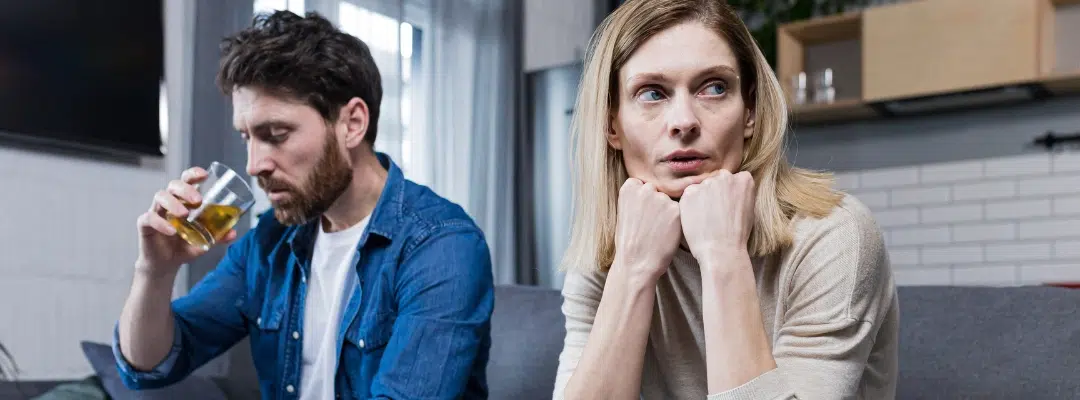
Unmanageability isn’t always loud or obvious. It can be subtle. Sometimes it looks like showing up to work hungover and underperforming. Other times, it looks like lying to your family or withdrawing from the people who love you.
I had a hard time accepting the concept at first. I thought admitting unmanageability meant I was weak. But it actually took strength to be honest with myself. I had to admit I was powerless, that I couldn’t control my drinking or substance abuse.
How Unmanageability Manifested in My World
For me, unmanageability looked like chaos. My finances were a mess. My relationships were tense or broken. My health was failing. I was barely holding onto my job. I was in a constant state of emotional turmoil. And no matter how much I tried to control it all, it just kept slipping through my fingers.
I remember sitting in my first meeting, listening to someone talk about the first step: “We admitted we were powerless over alcohol, that our lives had become unmanageable.” Those words hit me like a ton of bricks. I felt exposed. Seen. But I also felt something I hadn’t in a long time: hope.
The Role of Powerlessness
Powerlessness isn’t about giving up. It’s about letting go of the illusion that I could manage my addiction on my own. When I was drinking and using, I believed I had control. I’d say, “I can stop whenever I want.” But every time I tried to stop drinking or using, I couldn’t. That’s the real definition of powerlessness. It’s the inability to stop, despite the desire or consequences.
Powerlessness and unmanageability go hand in hand. The more powerless I became, the more unmanageable my life got. I couldn’t control my emotions, my choices, or even my own behavior. My substance use disorder dictated my day, my priorities, and eventually my identity.
Recognizing the Disorder
Substance use disorder is a disease, one that affects the brain, the body, and the spirit. It impacts mental health, relationships, work, and the overall quality of our own lives.
And yet, I was convinced for years that I didn’t need treatment. I didn’t want to admit I had a substance use disorder. I didn’t want to face the idea that I had become one of those “alcoholics” I used to judge. But addiction doesn’t care about status, income, or education. It can hit anyone.
It took a complete breakdown before I sought treatment. My mental health was in shambles. I was living in fear and shame. I’d lost connection with my family. I was deep in denial, and it was killing me.
How Unmanageability Shows Up
Unmanageability doesn’t always look like DUIs or arrests. For some of us, it’s more insidious. It can be the inability to maintain healthy relationships with friends and family members, to show up for your kids, to keep your emotions in check. For me, it was all of that, and more. I was unable to be present. I was unable to be honest. I was unable to live in alignment with my values.
I struggled for years with drug and alcohol addiction. I wasn’t just using, I was surviving. Barely. My substance use controlled every aspect of my life. The lies I told, the bridges I burned, the pain I caused. I couldn’t undo any of it. But I could admit it. And that’s where my recovery truly began.
The First Step and the Big Book of Alcoholics Anonymous

In the Big Book of Alcoholics Anonymous, the first step is about admitting we are powerless over alcohol and that our lives have become unmanageable. Those two truths, powerlessness and unmanageability, were the foundation of my surrender.
The 12 steps have proven to be effective at helping people stay abstinent from drugs and alcohol addiction. According to this study on the Nation Institute of Health website, “…AA and NA participation is associated with greater likelihood of abstinence, often for prolonged periods up to 16 years.” This is solid evidence based on scientific studies that cannot be argued with. 12 steps programs work, period.
When I took that first step, I finally stopped fighting myself. I let go of the idea that I had to “get it together” on my own. I accepted help. I started working with others who understood what I was going through. I found support in meetings and began to build new tools for living. I began learning to manage my life in ways I never could before.
Finding Support and Treatment to Help Manage One’s Life
It wasn’t until I entered an addiction treatment center that things really started to change. Purpose Healing Center didn’t just help me detox; they gave me tools. They helped me understand the underlying causes of my addiction. The trauma, mental disorders, and learned behaviors. They gave me real ways to manage my life again, not just abstain from drinking or drug use.
Through addiction treatment, I also learned the value of support systems like Al-Anon, which helped my family heal too. Addiction doesn’t just destroy the life of the person using. It damages everyone close to them. Al-Anon gave my loved ones a place to process their pain and begin their own recovery.
What Life Was Like: A Before and After Snapshot from My Story
Before I admitted my addiction, I was unable to function like a normal human being. I couldn’t hold down a job, I couldn’t maintain friendships, I couldn’t look myself in the mirror without shame. The consequences of my addiction haunted me. I was struggling constantly. Even when I wasn’t using, I felt like I was barely surviving.
Today, it’s different. I’m still in recovery, and every day is work. However, I no longer feel like I’m drowning. I’ve found relief in sobriety. I’ve rebuilt trust with my family. I’ve created a new life, one that’s based on honesty, community, and daily spiritual practice. I’ve learned how to live, not just exist. I’ve learned to stop drinking or using and start living with purpose (pun kind of intended in this case!)
The Daily Practice of Managing Life: Progress and Not Perfection

Living a manageable life now doesn’t mean it’s perfect. I still face challenges. I still experience cravings or feel powerless at times. But I have support. I have tools. I have a program of recovery that keeps me grounded. I can manage my thoughts, my actions, and my responses.
Sobriety gave me the freedom to live the life I was always meant to live. I’m not saying it’s easy. Some days I still feel like I’m struggling. But I keep going. I stay connected. I go to meetings. I work with a sponsor. I help others. And I remember what it was like to feel unmanageable, because I never want to go back to that place.
Reach Out for New Hope and Beginnings at Purpose Healing Center
If you’re reading this and you’re feeling like your life is falling apart, if you’re constantly struggling, hiding, or pretending to be okay, then you already know what unmanageability feels like. And maybe it’s time to begin again. Maybe it’s time to admit, just like I did, that you’re powerless over alcohol or drugs and your life has become unmanageable.
It won’t be easy. But there’s relief on the other side. There’s hope. There’s healing. You just have to take that first step.
Give Purpose Healing Center a call today. Their intake experts can guide you through making one of the biggest decisions of your life. The decision to heal. The decision to live.


 480-579-3319