

Looking at the Tusi or Tuci Drug Phenomenon and Its Risks
Pink cocaine has only grabbed media attention in the last couple of years but its use has been drastically increasing since 2020. Surprisingly, this drug doesn’t have anything to do with cocaine, despite the way it mimics stimulants and psychedelic drugs.
So, what is pink cocaine, aka: Tuci or Tusi?
It’s a bright, pink powder, commonly sweet-smelling and producing hallucinogenic effects. Often, pink cocaine is a designer drug combining two more substances, ranging from xylazine and ketamine to MDMA, fentanyl, and cocaine.
Called Tuci, using this pink powder can have disastrous consequences. Keep reading to learn the truth about pink cocaine, what exactly is in it, the potential side effects, and how to contact Purpose Healing Center for effective support to quit if you (or a loved one) needs help.
What is Pink Cocaine?
Tuci, Tusi, and Tucibi are all street names for pink cocaine. It is considered a mind-altering drug that has recently entered the drug landscape. Often, the combinations of drugs found in pink cocaine have mild to moderate hallucinogenic effects. Its specific effects change depending on what psychoactive substances are found in the drug.
You’ll recognize pink cocaine because it is a distinct, bright pink powder. Dyed with pink food coloring, it varies in brightness and its contents. Despite its name, there are times that it does not contain any actual cocaine. However, it does contain drugs that produce an intense high that can lead to pink cocaine addiction with use.
What is in Pink Cocaine?
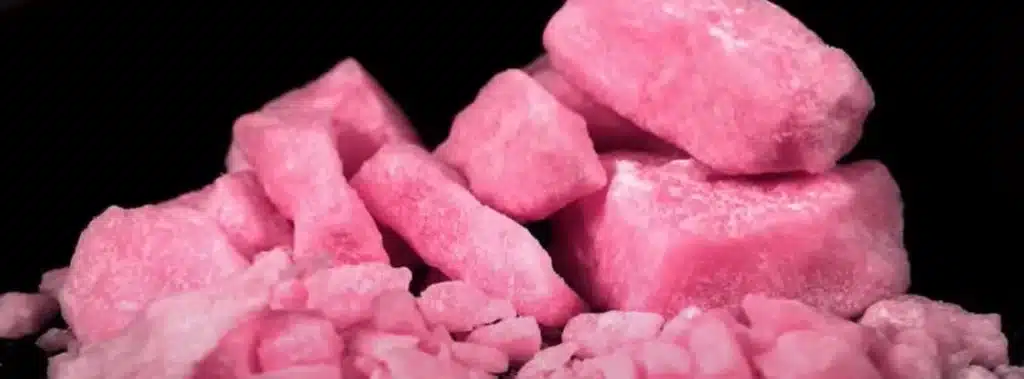
According to the American Journal of Drug and Alcohol Abuse, tusi, or pink cocaine, is a concoction of ketamine and other drugs with dangerous consequences for the drug landscape. However, ketamine is not the only substance found in this pink powdered substance.
Tested tusi samples have been found to contain a mix of substances like:
- MDMA and ketamine
- Opioids and xylazine
- Fentanyl and cocaine
- Methamphetamine, ketamine, and MDMA
Oddly, pink cocaine also has a sweet taste that does not come from the drugs found inside. Instead, the typically white-powder drugs are dyed and have strawberry flavoring that results in the taste. This makes it almost impossible to know what is inside pink cocaine without a lab test.
Is Tusi a Synthetic Drug?
“Tucibi” gets its name from the drug 2C-B, a synthetic hallucinogenic first created in 1974. While the pink powder once contained this psychedelic, today, it is most commonly a drug cocktail. It can contain any number of stimulants, depressants, or hallucinogens.
That makes pink cocaine increasingly risky to use, as it’s impossible to know what this substance contains. You cannot predict the mental and physical effects when you don’t know the content of what you are taking.
What Does Using Tucibi Feel Like?
Pink cocaine is common in the club scene. It can have stimulating effects from MDMA, ecstasy, cocaine, or methamphetamine found in the concoction. It’s impossible to know how this colorful cocaine cocktail is going to affect you because each batch of the party drug is different.
Pink cocaine may be pressed into pill form and swallowed or snorted as a powder. It is one of the new psychoactive substances combined with stimulants like cocaine, meth, MDMA, or caffeine powder. Its hallucinogenic and stimulant properties are similar but more intense than using ecstasy.
While it can contain ketamine, opioids, or other medications, pink cocaine is not approved for any type of medical use. However, the addition of these depressants can change how Tucibi affects you. It also increases the risk of developing a substance use disorder.
When Do the Effects of Pink Cocaine Wear Off?
As one of the new psychoactive substances, the effects of pink cocaine have not been studied as thoroughly as 2C-B, drugs derived from the coca plant, or other psychedelics. Additionally, it’s hard to study the effects of so many different drug combinations in pink cocaine. Many samples don’t even contain 2C-B any longer.
While effects from pink cocaine might vary, it depends on how much you take and the composition of ecstasy and other drugs. Often, you’ll experience an intense high for the first 1-3 hours. It’s effects can linger for 4-8 hours or longer, depending on potency, dose, and your individual tolerance.
Is Pink Cocaine Dangerous?

Pink cocaine is a relatively new, often ketamine-based concoction complicating the already-complicated drug scene. Most samples do not contain 2C-B, despite that being the original composition of the synthetic drug.
Some common effects on the body and mind include confusion or strange thoughts, hallucinations, agitation, anxiety, and upset stomach. Some people also experience low body temperature, high blood pressure, breathing changes, and seizures after using pink cocaine. When alcohol is mixed with pink cocaine containing opioids or other depressants, there’s also a risk of respiratory depression, decreased breath rate, coma, or death.
These dangers increase depending on the specific street drugs detected. There’s also a greater risk of addiction with polysubstance use, which is what happens when you combine alcohol and other substances. Tucibi already contains a mix of substances, making it easy to fall into the cycle of addiction.
Lastly, it is hard to know how in control you will be after using pink cocaine. There’s an increased risk of poor decision making and people may take advantage of you, especially if you are not with a crowd you can trust. There’s a risk of being physically or sexually assaulted while under the influence of pink cocaine.
This History of Tuci on the Drug Scene
Young adults and celebrities are the groups most likely to be affected by pink cocaine drug use. It is not typically seized off the streets, being found at the retail level instead. It’s most popular in areas with nightlife and club scenes. Pink cocaine may be found in places like Los Angeles, Miami, and New York in the United States, as well as in Latin America and London.
While usage is not high compared to other drugs like opioids, cocaine, or marijuana, it is still something to keep an eye on.
Furthermore, using pink cocaine with alcohol, which is common in the drug scene, increases the risk of complications.
The Risks of Combining Tusi Drug and Alcohol Abuse

The psychoactive and stimulant effects of this drug may be intensified or altered when combined with alcohol. Additionally, this new ketamine concoction complicates recovery from the drug. It can be hard for emergency rooms to treat overdose or bad side effects because, without testing, it’s impossible to know what hallucinogenics, stimulants, and other drugs are in this pink powdery substance.
If you do experience intense side effects or symptoms of an overdose, don’t be afraid to reach out for help. Tucibi is gaining attention in the media because of its dangerous side effects. These worsen depending on what is in the drug and you cannot always trust the person that is giving it to you.
If you do seek medical attention, if possible, bring a sample with you to the emergency room. They will be able to test the sample, providing important information for managing symptoms and treating an overdose. Remember that emergency room staff is not there to get you in trouble. They are there to help and there are protections in place for people who are seeking help for a drug overdose.
Learn the Tools for Overcoming Drug Abuse at Purpose
It might be tempting to use pink cocaine or other drugs when you are at a party with friends, especially if ‘everyone’ is doing it. Unfortunately, using Tuci comes with significant risks. It is impossible to know what is in this ketamine concoction, complicating recovery from the drug and resulting in harmful side effects.
Finally, there’s an increased risk of substance use disorder among people who use multiple substances like those combined to create Tucibi. If you find yourself struggling, despite the dangers of this drug and the risk of overdose, reach out to Purpose Healing Center today.
Our caring staff are waiting by the phone to answer your questions, discuss treatment options, and verify your insurance so that you can take back control of your life.




 480-579-3319