
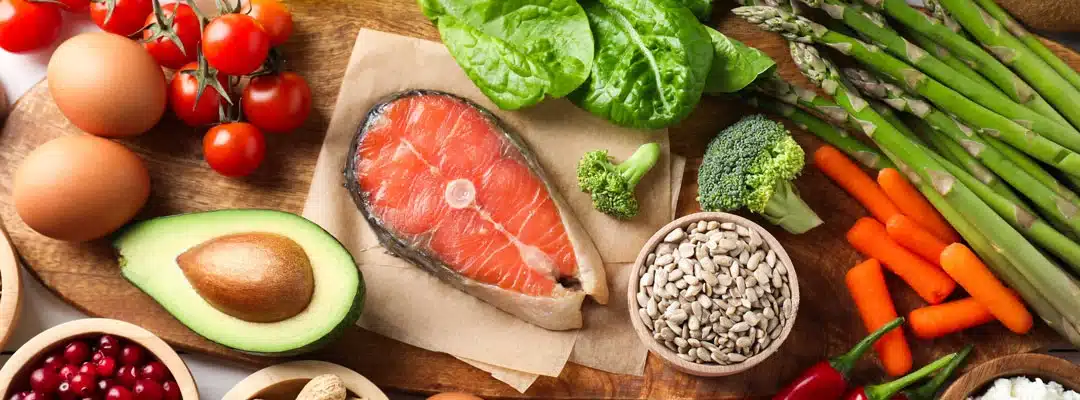
The Importance of Diet When Getting Clean and Sober
Nearly all long-term substance abusers suffer from health issues they are unaware of until they complete a detoxification program. Once detox eliminates all traces of drugs and alcohol from the body, doctors can then accurately determine the extent of damage done to a person’s physiological systems.
With this in mind, once detox has safely happened (and even during detox) – what are the best foods for addiction recovery?
Keep reading our guide to the topic from Purpose Healing Center to get the delicious details on how to support your mind and body when in recovery!
What Health Complications Can Addiction Create?
Drug and alcohol addiction significantly increases the risk of an addict developing one or more of the following:
- Cardiovascular disorders (heart disease, collapsed veins, arrhythmia, high blood pressure)
- Liver disease (cirrhosis, fibrosis, hepatitis, fatty liver disease)
- Brain disorders (loss of white matter, early onset dementia, mental illnesses)
- Kidney disease/kidney failure
- Lung diseases (pulmonary edema, cancer, pulmonary infection)
Once addicted to drugs or alcohol, addicts remain fixated on one thing only–obtaining their drug of choice and getting high. Consequently, varying degrees of malnutrition are diagnosed in every addict entering our treatment program. Addicts don’t care what they eat or if they eat.
Alcohol and drugs not only suppress appetite but disrupt normal hunger signals sent to the brain. Even if they haven’t eaten for several days, addicts will spend what little money have on drugs or alcohol, not food.
Eating the right foods is essential for restoring your health during recovery. This guide to the best foods for addiction recovery provides valuable information about the importance of vitamins and minerals, what kind of food to eat to improve liver functioning, and how protein is critical to regaining your overall health and well-being.
For information about inpatient addiction treatment and recovery programs offered by Purpose Healing Center, please call 480-579-3319 or contact us online by submitting this form found here
Anemia, Iron, and Iron-rich Foods
Lack of iron comes from your body’s inability to make enough red blood cells. These cells not only carry iron but also transport oxygen throughout the body. Anemia is caused by poor dietary choices, kidney disease, infections, and bleeding ulcers. Symptoms of anemia include shortness of breath, irregular heartbeat, dizziness, headaches, and fatigue.
Meat
The best source of iron from food is red meat, chicken (white and dark meat), turkey, and seafood such as shrimp, tuna, and sardines. Seafood also provides omega-3 fatty acids that improve heart and immune system health.
Grains
Whole grains possess higher iron content because the shells have not been removed. White rice is fortified with iron as well.
Nuts, Beans, and Seeds
Iron from plant sources is referred to as “non-heme iron” because the body has more difficulty absorbing the iron, unlike “heme” iron from meat sources. Soybeans, black beans, lima beans, peanuts, and sunflower seed kernels all contain moderate amounts of iron.
Should You Choose High Protein Foods in Recovery?
The signs of a protein deficiency include sugar cravings, fatigue/weakness, unhealthy skin, nails, and hair, recurring illnesses, and fatty liver disease. Get your protein levels back on track by including the following protein-rich foods in your diet:
- Any type of beans
- Eggs (one medium-sized egg contains six grams of protein
- Milk
- Cheese
- Yogurt
- Seafood
- Turkey
- Chicken
- Lean beef
Be aware though, that people in addiction recovery who have been diagnosed with kidney or liver problems may need to avoid high-protein foods. Since digestion of food eliminates protein waste in the form of urea (urine molecules), kidneys that are not functioning properly may be unable to rid the body of enough protein.
As a result, urea could accumulate in the bloodstream and possibly cause a condition called uremic poisoning. Low-protein, healthy foods to eat during recovery include yellow corn, potatoes, fresh fruits, and vegetables.
Foods For Liver Damage
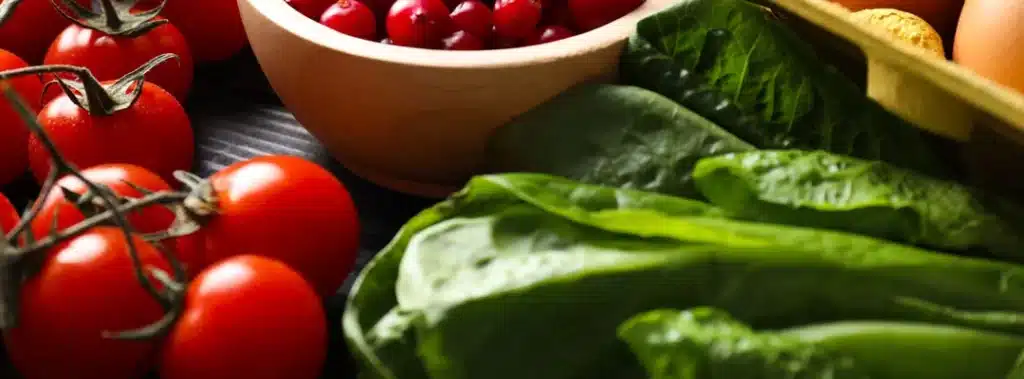
Cirrhosis and fatty liver are two of the most common health problems affecting alcohol abusers in recovery. Foods that improve liver functioning contain antioxidants that may help reverse some damage or delay the progression of more extensive damage. Antioxidant foods benefiting the liver include:
- Spinach
- Beets
- Tomatoes
- Oranges
- Raw carrots
- Onions
- Avocado
- Watermelon
- Brown rice
One powerful antioxidant found in these foods is a combination of the amino acids cysteine, glutamic acid, and glycine called glutathione. This substance makes it easier for the liver to eliminate toxins that could cause additional damage.
Drinking plenty of water every day during recovery is also a great way to flush out liver fats responsible for obstructing protein and carbohydrate metabolism for energy purposes.
Alcoholism is responsible for a majority of liver cirrhosis cases that often require a liver transplant. Don’t let alcoholism control your life or the life of a loved one, please reach out for support today!
Vitamin E
Leafy green vegetables, whole grains, and nuts are rich in vitamin E, a nutrient that helps improve heart, muscle, skin, and nerve health during recovery.
Although rarely seen in most people, a vitamin E deficiency is sometimes diagnosed in addicts who have underlying health issues that prevent the body from processing and utilizing vitamin E. Signs of a vitamin E deficiency include visual disturbances, difficulty walking, and uncoordinated movements.
Vitamin D
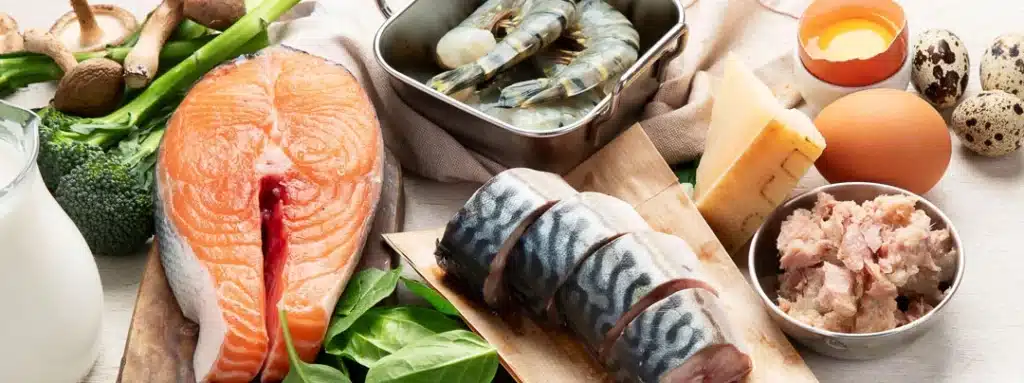
Eating enough foods containing vitamin D is imperative to restoring nutritional deficiencies during recovery. A poor diet combined with an addiction means your body is depleting vitamins from areas that need them the most.
Addicts often suffer from tooth decay and stress fractures due to a vitamin D deficiency.
Foods offering healthy amounts of vitamin D include:
- Salmon, mackerel, and tuna
- Mushrooms
- Egg yolks
- Cheese
- Fortified vitamin D milk
Vitamin C
Oranges, grapefruit, red and green peppers, broccoli, strawberries, and pineapples are just a few vitamin C-rich foods that every addict in recovery should include in their diet. Vitamin C also:
- Strengthens weakened immune systems
- Decreases the risk of stroke
- May help slow the development of macular degeneration
- Makes it easier for the body to absorb iron
- Aids in repairing damaged tissues
Vitamin B
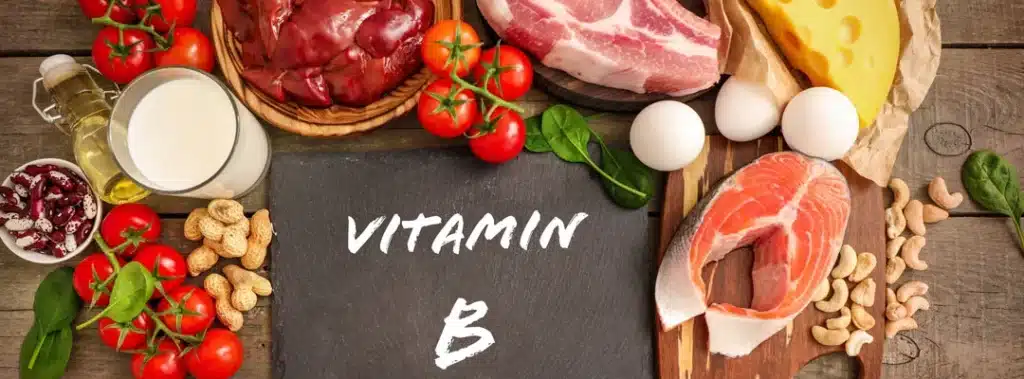
Vitamin B helps fuel the body by converting carbohydrates to glucose, supports nervous system functioning, stimulates the production of hormones, and may provide some relief from depression and anxiety.
Vitamin B is also involved with making DNA and RNA necessary for healthy cell reproduction and maintenance of hair, nails, and skin. Include vegetables, fruits, leafy greens, berries, and citrus fruits in your recovery diet to restore vitamin B levels.
Choose the Best Foods for the Brain and Nervous System in Recovery!
Foods containing omega-3–salmon, tuna, nuts, and sardines–increase blood flow to the brain to improve focus, memory, and cognition. Blueberries, strawberries, and blackberries provide antioxidant compounds that enhance brain cell communication and help boost memory and learning abilities.
Spinach, broccoli, and other green, leafy vegetables provide nutrients like vitamin K, beta carotene, and lutein that are known to improve overall brain health.
Purpose Healing Center has one mission–to help substance abusers overcome their addiction with compassionate, evidence-based treatment programs. Our admissions staff is available to take your call 24/7. We are always here when you or someone you know is ready to take that first step toward sobriety. Call today to begin your journey!




 480-579-3319